
How to Install an Acrylic Face Sheet in Channel Letters
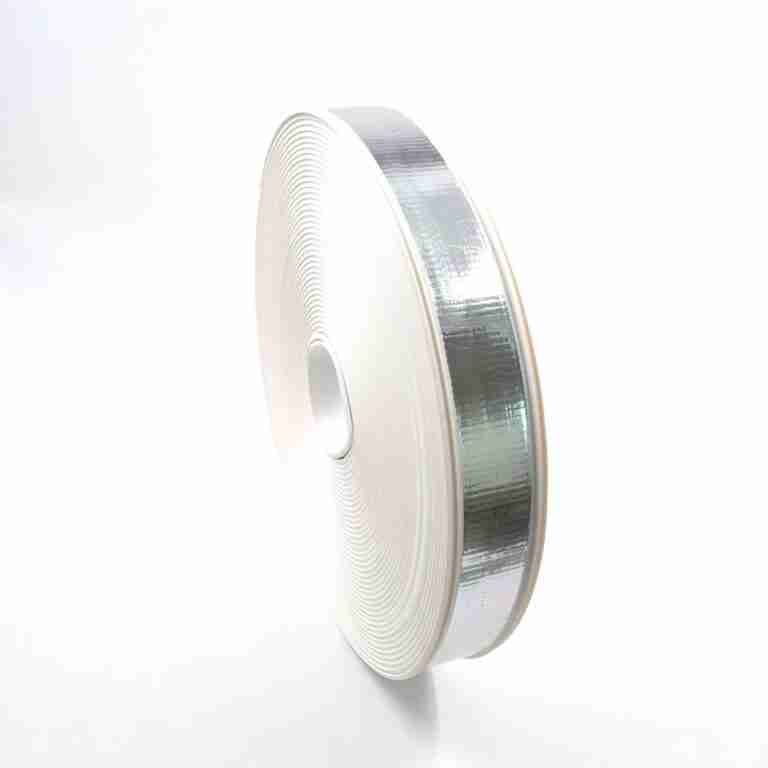
A fabrication checklist for fitting acrylic faces to channel letters, covering dry fit, retention, adhesive compatibility, and final inspection.

A fabrication checklist for fitting acrylic faces to channel letters, covering dry fit, retention, adhesive compatibility, and final inspection.
A practical comparison of steel core edging and other sign edge banding, focused on actual construction and fabrication compatibility.
A pre-shipment checklist for sign shops buying channel letter materials, with acceptance criteria, inspection evidence, and packing checks.
A wholesale procurement guide for bulk ordering channel letter material, including MOQ, samples, packing, lead time, freight, and QC checks.
A specification guide for wholesale buyers comparing channel letter materials, LED modules, trim cap, acrylic faces, hardware, packing, and QC requirements.
A practical aluminum coil buying guide for sign shops, channel letter fabricators, distributors, and wholesale buyers.

Learn how to choose LED modules for channel letters and sign making, including voltage, wattage, color temperature, IP rating, lens angle, and lifespan.
Compare foam, acrylic transfer, tissue and PET double-sided tape for sign making, acrylic displays, LED light boxes, channel letters and bulk wholesale orders.
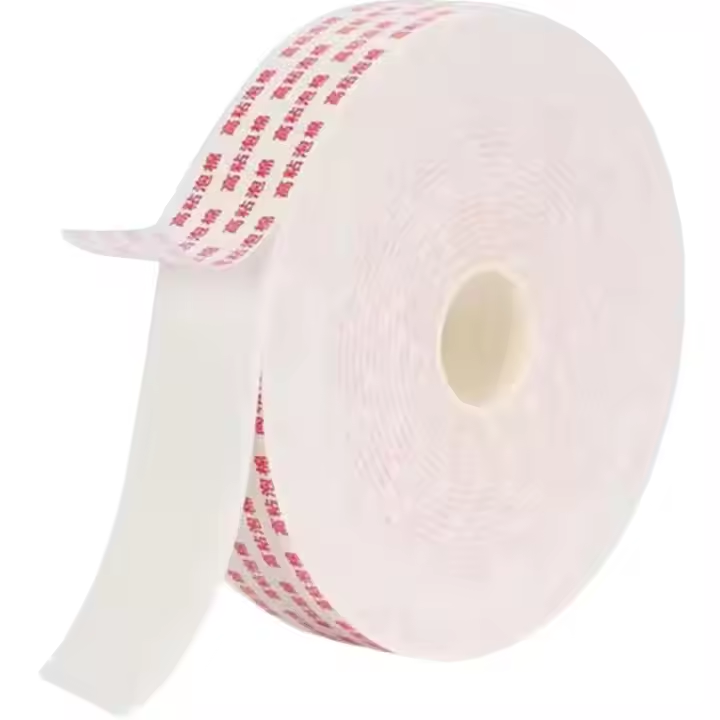
A practical logistics guide for international buyers ordering sign materials, tools, equipment, LED modules, tapes, and custom signs.
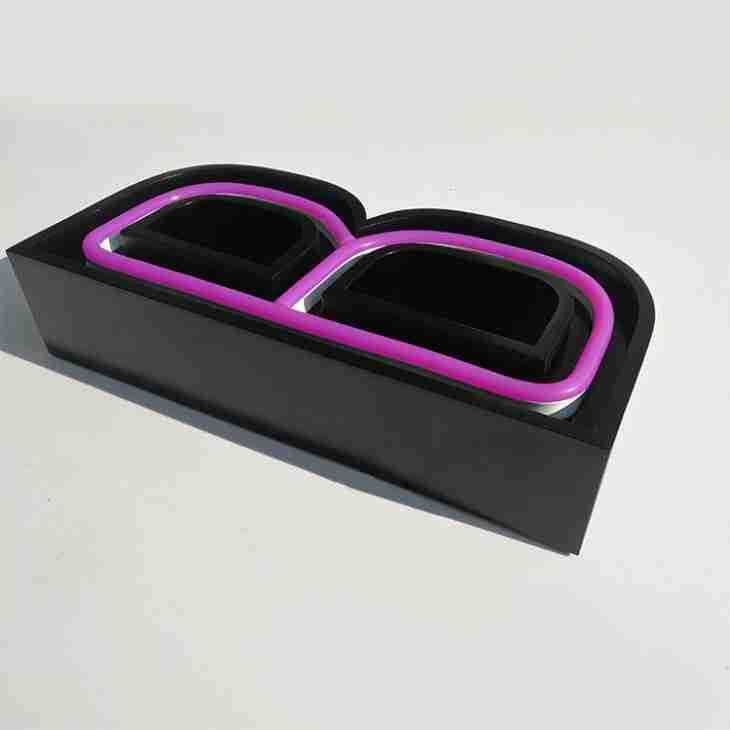
A buyer-focused guide for ordering custom LED neon signs for retail, events, hospitality, brand walls, and wholesale signage projects.
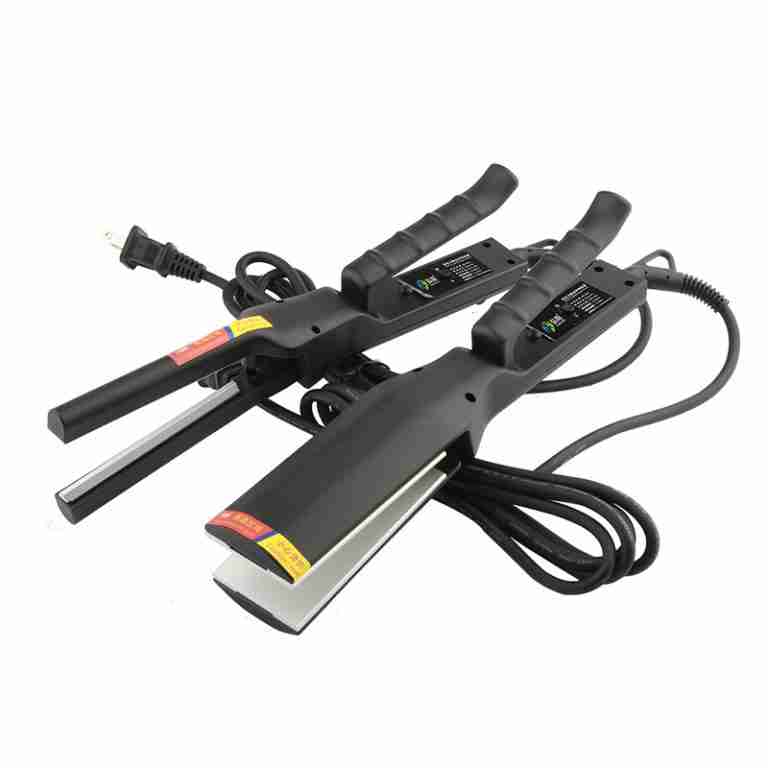
A practical guide for sign shops choosing bending machines, welding equipment, print machines, polishing tools, and other production equipment.
A practical guide to choosing channel letter materials for sign shops, fabricators, distributors, and commercial signage buyers.
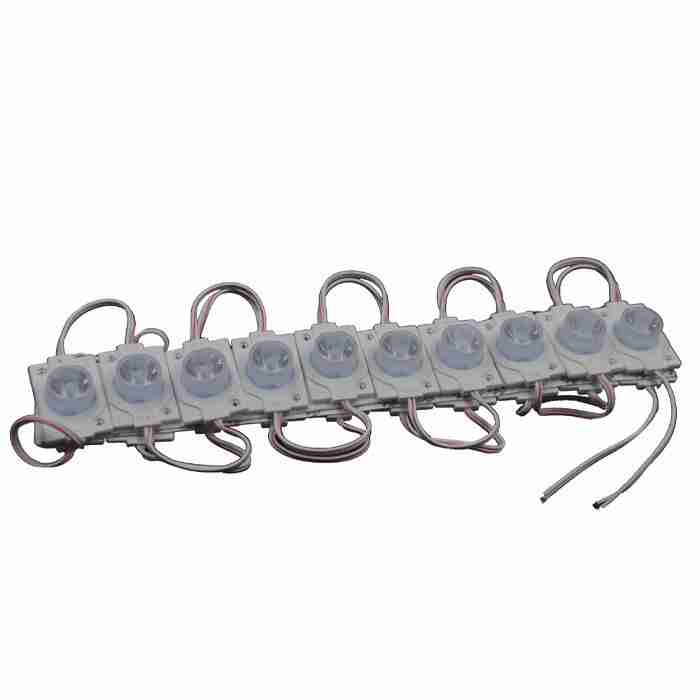
A practical wholesale buying guide for choosing LED modules for channel letters, light boxes, and illuminated signs.
Compare plastic quick clips, metal pull-ear clips, Z shape hooks, mountain shape hooks, small Z ears, and plug-in hanging ears. Choose the right anti-sinking hardware for borderless channel letters and super characters.
Compare acrylic nuts, PVC embedded metal nuts, blind rivet nuts, coarse thread rods, and plastic buckle rods. Find the right hidden fastener for your sign project.
LED channel letter screw selection depends on the back plate material (aluminum, ACM, or galvanized steel), the screw type (self-tapping vs machine with rivet nut), and the screw head profile (flat vs pan vs truss) which determines visibility after installation.…
Hot bending acrylic the right way — machines, temperatures, timing, and common defects fixed. Plus aluminum edge strip bending pliers and SS letter return benders for the complete sign shop.
Pneumatic rivet guns for production speed, blind rivet nuts for threaded anchor points, and specialized pliers for 3D letter work — the complete guide to riveting tools every sign fabrication shop needs.
Step drill bits, magnetic bits, or pneumatic punching guns — which drilling tool does your sign shop actually need? A practical comparison for every material and thickness.
LED light strips keep falling off? The fix starts with choosing the right adhesive for silicone vs PVC strips, proper surface prep, and full cure time before powering up. A practical guide for sign shops.
Choosing between double-sided foam tape and liquid glue for sign installation comes down to three factors: the substrate porosity (porous surfaces like wood and concrete absorb liquid glue; non-porous like glass and metal work with both), the required shear strength…
Acrylic bonding strength depends on glue chemistry (solvent vs two-part vs UV-cure), joint type (butt/lap/miter), and surface prep (clean, dry, flame-treated). Solvent-based cement produces a chemical weld at 90-95% of parent strength, but a 0.1mm gap reduces bond strength by…
Precision cutting accuracy depends on mat flatness (0.3mm per 300mm), ruler material (aluminum: 0.1mm/m accuracy vs plastic: 1-2mm warp/m), and blade sharpness (blades used over 5m produce 15-20% wider kerf). Shops inspecting and replacing mats/rulers quarterly reduce material waste 30-40%.…
Scraper tool selection depends on residue type (acrylic vs rubber vs silicone), substrate hardness (glass vs painted metal vs acrylic vs vinyl), and whether heat can be applied. A metal scraper on acrylic leaves permanent scratches — costing $50-150 per…
Cutting neon LED strips cleanly requires knowing whether the strip is silicone-coated or PVC-encased, and cutting only at designated solder pads. Cutting outside cut points permanently breaks the internal circuit; the wrong blade on silicone creates jagged edges leading to…
Hanging sign letters securely requires matching the mounting method to substrate (drywall: 25-45 kg/anchor, concrete: 80-200 kg), letter weight (acrylic: 0.5-3 kg each), and visibility requirement (flush vs standoff vs hidden). Using drywall anchors on concrete, the most common installation…
Magnetic LED track systems reduce installation time by 40-60% vs screw-mounted alternatives, but only when magnet type, track profile, and surface prep are matched. Neodymium N35-N52 magnets provide 2-8 kg holding force per magnet; ferrite delivers 0.5-1.5 kg. Surface flatness…
For 80% of channel letter installations between 40-80 cm, L-shaped support poles provide the optimal balance of strength, installation speed, and cost. When letters exceed 100 cm or installations face wind speeds above 115 mph, welding brackets are the safer choice. This guide compares 4 support systems with quantified load capacities and ASCE 7-22 wind-resistance thresholds.
Sign fastener selection depends on three variables: material type (acrylic, aluminum, PVC), load requirement (static wall mounting vs. suspended ceiling), and environmental exposure (indoor climate-controlled vs. outdoor tropical humidity). Using the wrong screw, nut, or clip for your substrate and…
Sign-making adhesives fall into seven main categories, each engineered for a specific substrate: acrylic solvent glue, UV-stabilized acrylic glue, PVC foam board contact adhesive, flex banner flexible polymer, cyanoacrylate super glue, silicone-based LED strip adhesive, and double-sided foam tape. Choosing…
Introduction: Why Proper Installation Matters To install LED luminous signs correctly, you need the right mounting hardware for your wall type, proper wiring with adequate voltage planning, and thorough testing before and after installation. A properly installed LED sign lasts…
Every sign shop needs six tool categories to operate efficiently: drilling, fastening, soldering, bending-forming, testing-QC, and surface finishing. Without the right combination, production speed drops 30–50% and error-related rework increases significantly — according to sign industry production benchmarks analyzed across…
Cutting tools for sign making are specialized knives, blades, and accessories engineered to cleanly cut acrylic, vinyl, PVC foam board, silicone neon strips, and other sign fabrication materials with precision and speed. Unlike general-purpose cutting tools found in hardware…