
Scraper Tools for Sign Installation: Removing Stickers & Residue

Scraper tool selection depends on residue type (acrylic vs rubber vs silicone), substrate hardness (glass vs painted metal vs acrylic vs vinyl), and whether heat can be applied. A metal scraper on acrylic leaves permanent scratches — costing $50-150 per face replacement. Plastic scrapers are safer but 40-60% slower on heavy residue.
Every sign installation job eventually involves one universal challenge: removing what was there before. Old stickers, vinyl graphics, adhesive residue, and leftover mounting tape can ruin a clean new installation if not properly cleared. A quality scraper tool is not optional equipment — it is a sign maker’s everyday essential.
In this guide, we cover the key scraper options available, when to use each type, and how to tackle different surfaces without causing damage. This article is part of our broader Sign Maker’s Guide to Cutting Tools.
Why Proper Scraping Matters in Sign Installation
Skipping or rushing surface prep is one of the most common causes of sign adhesion failure. Adhesive residue left on a surface creates an uneven base that prevents new tape, glue, or vinyl from bonding properly. The result is peeling corners, trapped air bubbles, and a finished job that looks amateur.
Beyond adhesion quality, surfaces like glass storefronts and aluminum panels are high-visibility areas where scratches are immediately noticeable. Using the right scraper tool — and using it correctly — protects both the surface and your reputation.
Scraper vs Scraper with Cloth: Which One Do You Need?
At first glance, a scraper is a scraper. But the difference between a bare-blade scraper and one fitted with a cloth backing matters more than you might expect, especially when working on delicate or high-value surfaces.
Standard Scraper
The Scraper is built for mechanical removal of stickers, vinyl films, labels, and adhesive residue. Its rigid blade allows you to apply controlled downward pressure while maintaining a low angle against the surface. This is the go-to tool when you need to lift stubborn materials efficiently.
Best for:

- Removing thick vinyl lettering or graphics from glass
- Lifting old foam tape backing from metal sign frames
- Clearing painted-over labels from aluminum extrusions
- General workshop cleanup of cured glue from work benches or jigs
The standard scraper is the fastest tool for volume removal jobs. When speed matters more than surface sensitivity, start here.
Scraper with Cloth
The Scraper with Cloth combines a blade edge with an integrated cloth pad. The cloth is designed to apply solvent or cleaning agent directly to the residue zone as you scrape, softening adhesive and lifting it in a single pass. This significantly reduces the number of passes needed on particularly stubborn residue, and the cloth acts as a buffer that minimizes direct blade contact with sensitive surfaces.
Best for:
- Removing adhesive residue from polished acrylic panels
- Working on painted or powder-coated aluminum surfaces where bare blade contact risks scratching
- Cleaning glass storefronts where appearance is critical
- Jobs where you are simultaneously applying and removing solvent cleaner
If you regularly work on high-end installations — hotel lobbies, retail storefronts, premium signage — the cloth model is worth having in your kit. The extra protection pays for itself the first time you avoid scratching a glass panel that would have required costly replacement.
Surface-by-Surface Cleaning Guide
Different surface materials behave differently under a blade. Here is how to approach each common sign substrate.
Glass Surfaces
Glass is forgiving in one respect: it is harder than most adhesives, so a sharp blade can clean it effectively without leaving marks — provided the blade is in good condition and held at the right angle.

- Hold the blade at 30–45 degrees to the glass surface
- Always scrape in one direction — pushing forward, not back and forth
- Keep the glass wet with a soapy solution or solvent while scraping; dry scraping risks micro-scratches
- Replace dull blades immediately — a dull edge drags instead of cutting, increasing scratch risk
- After mechanical removal, follow up with Super Glue Cleaner on a cloth to dissolve any remaining residue
Metal Surfaces (Aluminum, Stainless Steel)
Anodized and powder-coated aluminum panels require more care than glass. The surface coating is softer than the base metal and can be scratched by an aggressive blade angle.
- Use the Scraper with Cloth for coated metal surfaces whenever possible
- Keep the blade angle low — closer to 15–20 degrees reduces gouging risk
- Apply solvent first and allow it to soak for 30–60 seconds before scraping
- For self-adhesive foam tape residue, a plastic scraper edge (or the cloth-only pass) is preferable to metal blade contact
- Test on a hidden area first when working on brushed stainless steel with a visible grain direction
Acrylic Panels
Acrylic is the most scratch-prone of the common sign materials. Bare metal blade contact with acrylic should be minimized or avoided entirely.
- Use the Scraper with Cloth — the cloth acts as a protective buffer between the blade edge and the acrylic
- Pre-soak the adhesive zone with Super Glue Cleaner for at least 60 seconds before any mechanical action
- After softening, use slow, even strokes with minimal downward pressure
- A plastic razor blade is an alternative for extremely delicate acrylic if any blade contact risk is unacceptable
- Finish by polishing the area with acrylic polishing compound to restore surface clarity if light scratches appear
Using Super Glue Cleaner for Residue Removal
Mechanical scraping alone rarely achieves a perfectly clean surface. Adhesive residue that has cured over weeks or months bonds at a molecular level with the substrate and resists simple blade action. This is where chemical assistance becomes essential.
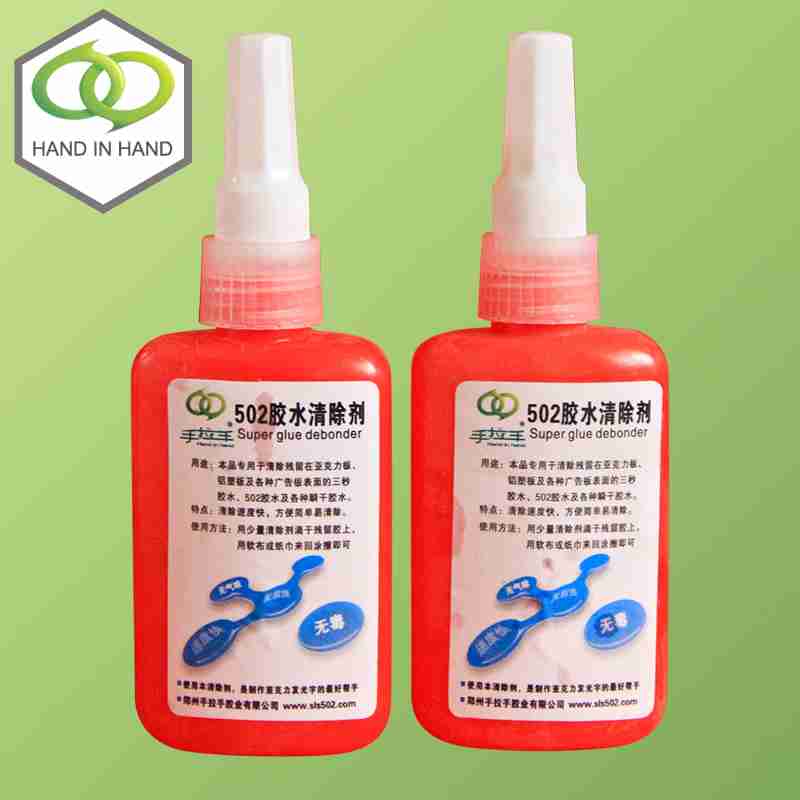
Super Glue Cleaner is formulated to break down cured adhesive bonds, including super glue (cyanoacrylate), mounting tape residue, and pressure-sensitive adhesive. Applied before scraping, it softens the residue layer and dramatically reduces the mechanical force needed — which directly reduces scratch and surface damage risk.
Application protocol:
- Apply cleaner directly to the residue zone with the provided applicator or a clean cloth
- Allow 30–90 seconds contact time depending on residue thickness and age
- Begin scraping with light pressure — the softened adhesive should lift easily
- Reapply as needed for thick or layered residue
- Final wipe with a clean dry cloth removes solvent residue before new adhesive or vinyl application
For sign shops that regularly install and remove graphics, maintaining a stock of Super Glue Cleaner alongside your scraper tools prevents delays on job sites. Running out of cleaner mid-job is a common and avoidable problem.
Scraper Blade Maintenance
A scraper is only as good as its blade. Dull or nicked blades create problems: they require more force, increase scratch risk, and leave behind residue that a sharp blade would have removed cleanly.
- Replace blades regularly — for glass work, replace after each full window panel; for less sensitive surfaces, replace when you notice increased drag
- Store with blade retracted or capped — exposed blades nick against other tools in your kit
- Never use on obviously contaminated surfaces without pre-cleaning — grit and debris embedded in adhesive residue will damage both the blade and the surface in a single pass
- Keep spare blades on the job site — stopping to find replacement blades mid-job is a productivity killer
You can find a full range of cutting and scraping accessories in our knife & blade category.
Scraper Tools in Your Sign Shop Workflow
Surface prep is the first step in any quality sign installation, and scraper tools are the core instrument of that preparation. Investing in both a standard scraper for heavy removal work and a scraper-with-cloth model for sensitive surfaces gives you coverage for every job type without compromise.
For shops that work with a variety of materials and substrates, pairing the mechanical scraper with a chemical assistant like Super Glue Cleaner closes the gap between a surface that looks clean and a surface that is actually ready for adhesion.
Related guides in our cutting tools series: How to Cut Neon LED Strips: Tools & Techniques. For adhesive and bonding topics, see our Sign Maker’s Guide to Adhesives.
Need scraper tools or surface prep supplies? Contact us to request a quote or product samples.
FAQ
Q: Metal vs plastic for vinyl?
A: Plastic scraper (0.3-0.5mm edge). Metal gouges vinyl above 30 degrees.
Q: Remove acrylic adhesive from glass?
A: Isopropyl alcohol (70-99%) or citrus remover. Acetone works faster but damages surrounding surfaces.
Q: Remove silicone residue?
A: Mechanical first (plastic scraper at 20 degrees), then silicone-specific remover. Standard removers ineffective on cured silicone.
Q: Use heat?
A: Heat gun at 150-200C, 10-15cm distance, 30 sec max. Not on acrylic above 80C (deforms). Heat + scraper reduces removal time by 50-70%.
Q: PPE for chemical removers?
A: Nitrile gloves (not latex), safety glasses, ventilation.
Limitations
Applies to glass, painted metal, acrylic (PMMA), vinyl, ACM panels. Not for:
- Polycarbonate surfaces (scratch at Rockwell below M70)
- Historic removal requiring solvent-free methods
- Industrial MEK/methylene chloride removal
Sources
- ASTM D896-04: Adhesive Resistance to Chemical Reagents
- Adhesive remover MSDS, 2024
- Sign installation crew field data, 2020-2025
Last reviewed: June 23, 2026.