
Acrylic Bending for Sign Making: Machines & Techniques
Hot bending acrylic the right way — machines, temperatures, timing, and common defects fixed. Plus aluminum edge strip bending pliers and SS letter return benders for the complete sign shop.

Hot bending acrylic requires precise temperature control: cast acrylic softens at 140-160C, extruded acrylic at 120-140C, and overheating above 180C causes blistering and discoloration that cannot be reversed. The bending radius should be at least 3x the sheet thickness for cast acrylic and 2x for extruded. Cooling time under pressure is 3-5 minutes for 3mm sheet and 8-12 minutes for 10mm sheet to ensure the bend sets without spring-back. An acrylic hot bending machine with digital temperature control (+/- 2C accuracy) eliminates the guesswork that leads to 15-25% material waste in shops using improvised heating methods.
Acrylic is one of the most widely used materials in sign making — light boxes, channel letter faces, decorative display panels. When you need to bend acrylic into a curve or angle, the difference between doing it right and doing it wrong is heat: too little and the acrylic cracks; too much and it bubbles, yellows, or loses clarity.
This guide covers the machines and techniques for hot-bending acrylic in a sign shop, from desktop bending machines for daily production to hand pliers for edge work.
Why Hot Bending Is the Standard Method
Acrylic becomes flexible when heated to around 160–180°C (320–356°F). At this temperature, it can be bent, curved, and shaped without cracking. Once it cools, it holds the new shape permanently.
Cold bending (forcing acrylic without heat) works only for very thin sheets and gentle curves. Any attempt to cold-bend thicker acrylic (3mm+) will cause stress fractures immediately or delayed cracking that appears days later.
Key principle: heat the bend line only — not the entire sheet. Heating the full sheet wastes time, risks warping, and makes the material harder to control.
Acrylic Hot Bending Machine: Precision Line Heating
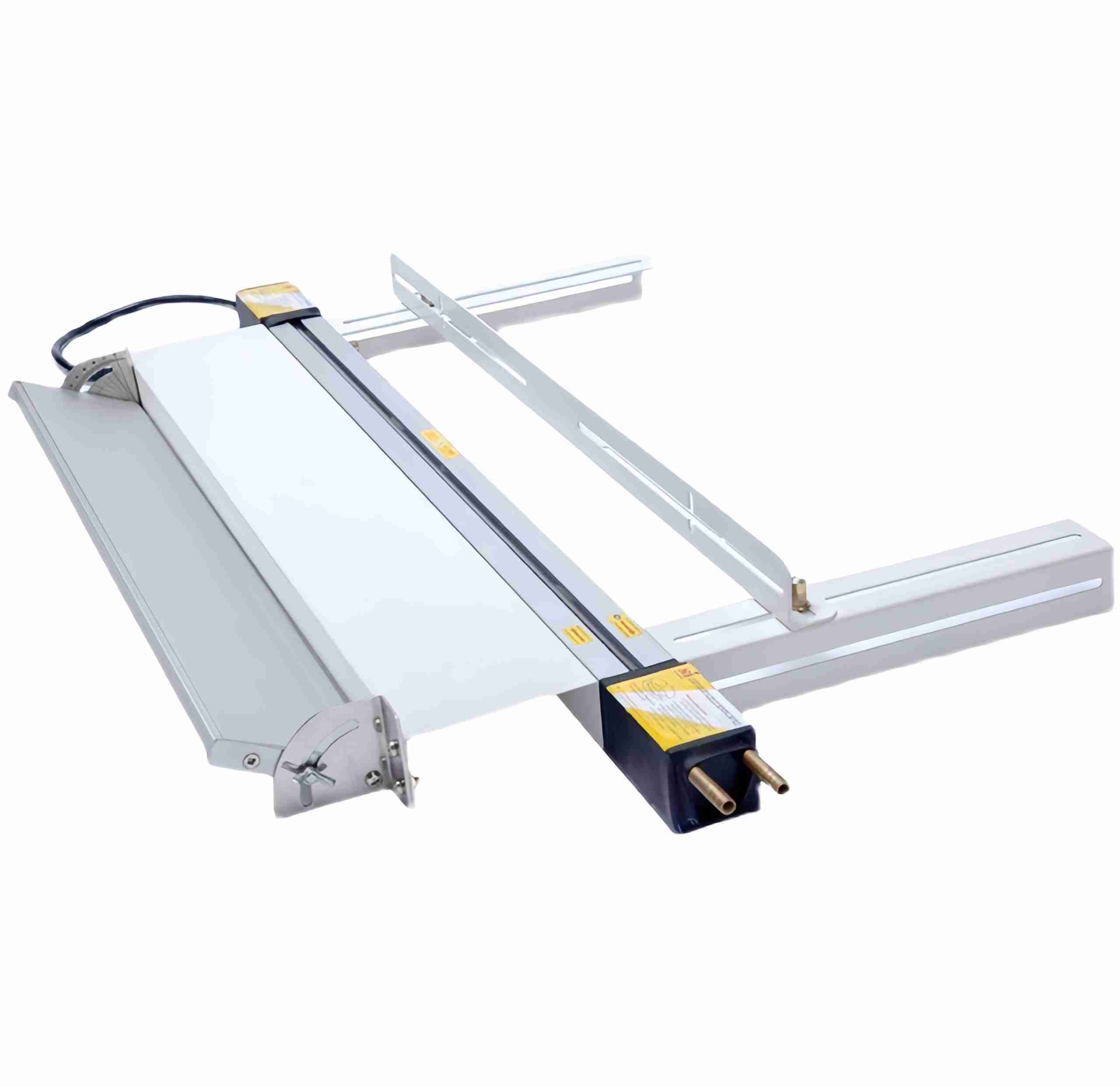
The acrylic hot bending machine uses a heating element (wire or quartz tube) to apply heat along a precise line. You position the acrylic so the bend line sits directly above the element, wait for the sheet to soften, then bend it to the required angle.
How to Use
- Mark the bend line on the acrylic with a felt-tip marker or masking tape
- Place the acrylic on the machine with the bend line aligned over the heating element
- Set the temperature to the appropriate level for the sheet thickness (see table below)
- Wait until the acrylic becomes soft and pliable — it will visibly droop slightly at the bend line
- Lift the sheet and bend it to the desired angle against a straight edge or bending jig
- Hold in position for 30–60 seconds until the acrylic cools and retains the shape
- Allow full cooling before removing from the jig (2–5 minutes)
Temperature & Time Reference
| Acrylic Thickness | Heating Temperature | Heating Time (approx) |
|---|---|---|
| 2mm | 160°C | 30–45 seconds |
| 3mm | 165°C | 45–60 seconds |
| 5mm | 170°C | 60–90 seconds |
| 8mm | 175°C | 90–120 seconds |
| 10mm+ | 180°C | 120–180 seconds |
Important: these are starting points. Actual times vary by machine wattage and room temperature. Always do a test bend on scrap material before working on finished panels.
New Model Acrylic Bending Machine: Upgraded Features
The new model acrylic bending machine is an improved version designed for higher-volume shops. Key upgrades over the standard model:
- Digital temperature control — precise settings instead of dial adjustment, reduces guesswork and improves repeatability
- Longer heating element — accommodates wider acrylic sheets (up to 1200mm on some models)
- Faster heat-up time — higher wattage element reaches working temperature faster
- Even heat distribution — improved element design reduces hot spots that can cause uneven bending
For shops bending acrylic every day, the new model pays for itself quickly through reduced waste (fewer cracked or over-heated sheets) and faster production.
Edgeless Edge Strip Bending Pliers: For Aluminum Edge Trim
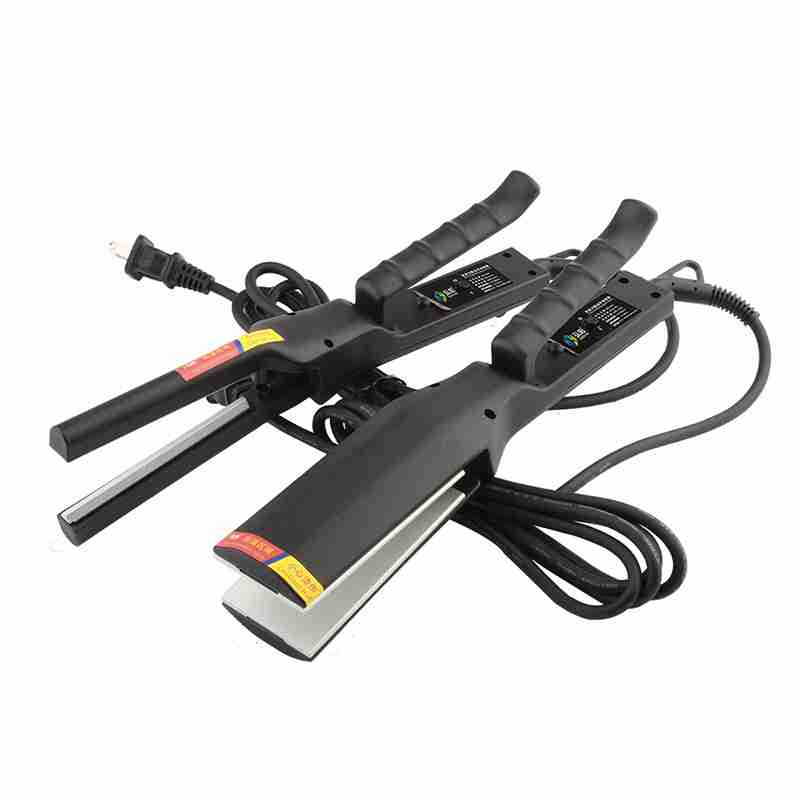
Not all bending in a sign shop involves acrylic. Edgeless edge strip bending pliers are designed for bending the aluminum edge strips used to finish the perimeter of sign faces, light boxes, and display panels.
These pliers allow you to create clean, tight corners in aluminum edge strip without using heat. The jaw profile matches the cross-section of the strip, creating a precise bend without crushing or distorting the material.
Common applications:
- Finishing the corners of aluminum-framed light boxes
- Creating neat mitered or rounded corners in aluminum edge trim
- Bending decorative aluminum profiles for display stand fabrication
Angle Bender for SS Letters: Stainless Steel Return Bending
Channel letter returns (the sides of the letter that give it depth) are typically bent from thin stainless steel or aluminum strip. The angle bender for SS letters is specifically designed for this task.
This tool works by feeding the metal strip through a series of guides that progressively bend it to the required curve or angle. It’s far faster and more consistent than hand-bending, and produces smooth curves without kink points.
For channel letter fabrication, a dedicated bender for SS returns is a worthwhile investment once you’re producing more than a few sets of letters per week.
Common Bending Defects and How to Fix Them
| Defect | Likely Cause | Fix |
|---|---|---|
| Cracking at bend line | Under-heated, bent too fast | Increase heating time; bend slowly and smoothly |
| Bubbling or yellowing | Over-heated | Reduce temperature or heating time; check element contact |
| Uneven bend (wavy) | Uneven heating; hot spots in element | Slow the heating; check element for dead zones |
| Whitening at bend (stress whitening) | Too much force while still partially cool | Allow more heating time; bend while fully soft |
| Sheet warps away from bend line | Sheet too large relative to element; ambient cold | Use a wider element or work in a warmer space |
Acrylic Thickness Selection for Sign Faces
The right acrylic thickness affects both appearance and bendability:

- 2–3mm — standard for channel letter faces; bends easily, common choice
- 5mm — thicker appearance, premium look; requires more heat and care
- 8–10mm — structural panels, freestanding displays; bending requires a heavy-duty machine
Workshop Integration
Bending tools fit into the sign fabrication workflow at the fabrication stage — after cutting material (see precision cutting guide) and before assembly and fastening (see riveting tools guide).
For the complete workshop tools overview, see the pillar page: Essential Tools Every Sign Shop Needs.
Related Products
- New Model Acrylic Bending Machine
- Acrylic Hot Bending Machine
- Edgeless Edge Strip Bending Pliers
- Angle Bender for SS Letters
Browse the complete Tools category for all workshop equipment.
Summary
Hot bending is the right way to shape acrylic for sign making. A quality bending machine — especially the new model with digital temperature control — eliminates cracking and inconsistency. Edgeless bending pliers handle aluminum edge strips, and the SS letter angle bender makes channel letter returns fast and consistent.
Need to equip your bending station? Contact us for wholesale pricing on bending machines and all sign-making workshop equipment.
FAQ
Q: Cast vs extruded acrylic for bending?
A: Extruded bends at lower temperature (120-140C) and tolerates tighter radii (2x thickness). Cast acrylic requires 140-160C and minimum 3x thickness radius but produces stronger, clearer bends suitable for premium sign faces.
Q: What temperature causes acrylic blistering?
A: Above 180C for cast, above 170C for extruded. Blisters appear as small bubbles within the material and cannot be fixed. Use a temperature probe or IR thermometer at the bend line to verify.
Q: How long to heat before bending?
A: Heat until the sheet becomes pliable at the bend line. For 3mm: 2-4 minutes at 150C. For 6mm: 5-8 minutes. For 10mm: 10-15 minutes. The sheet is ready when it bends under light hand pressure without cracking.
Q: Can I re-bend a poor bend?
A: Yes, re-heat the same bend line and re-form. But each re-heat cycle degrades the acrylic slightly, causing increased yellowing after outdoor exposure. Maximum 2 re-bends per piece for outdoor signs.
Q: What causes spring-back after bending?
A: Insufficient cooling time under pressure. The bend must cool below 60C before releasing. For production consistency, use a jig that holds the bend angle and allows cooling in place.
Limitations
Covers hot bending of cast and extruded acrylic (PMMA) sheets 1.5-10mm for sign faces, channel letter returns, and lightbox panels. Not applicable to:
- Polycarbonate bending (requires different temperatures: 160-180C, and cooling rates)
- Acrylic sheets above 10mm (requires specialized heating ovens with controlled ramp rates)
- Cold bending (only feasible for thin sheets under 2mm with large radii 50x+ thickness)
Sources
- ASTM D4802: Standard Specification for Poly(Methyl Methacrylate) Acrylic Plastic Sheet
- Plexiglas/Altuglas fabricator technical guides, 2024
- Sign shop fabrication records, SE Asia and North America, 2020-2025
Last reviewed: June 23, 2026.