
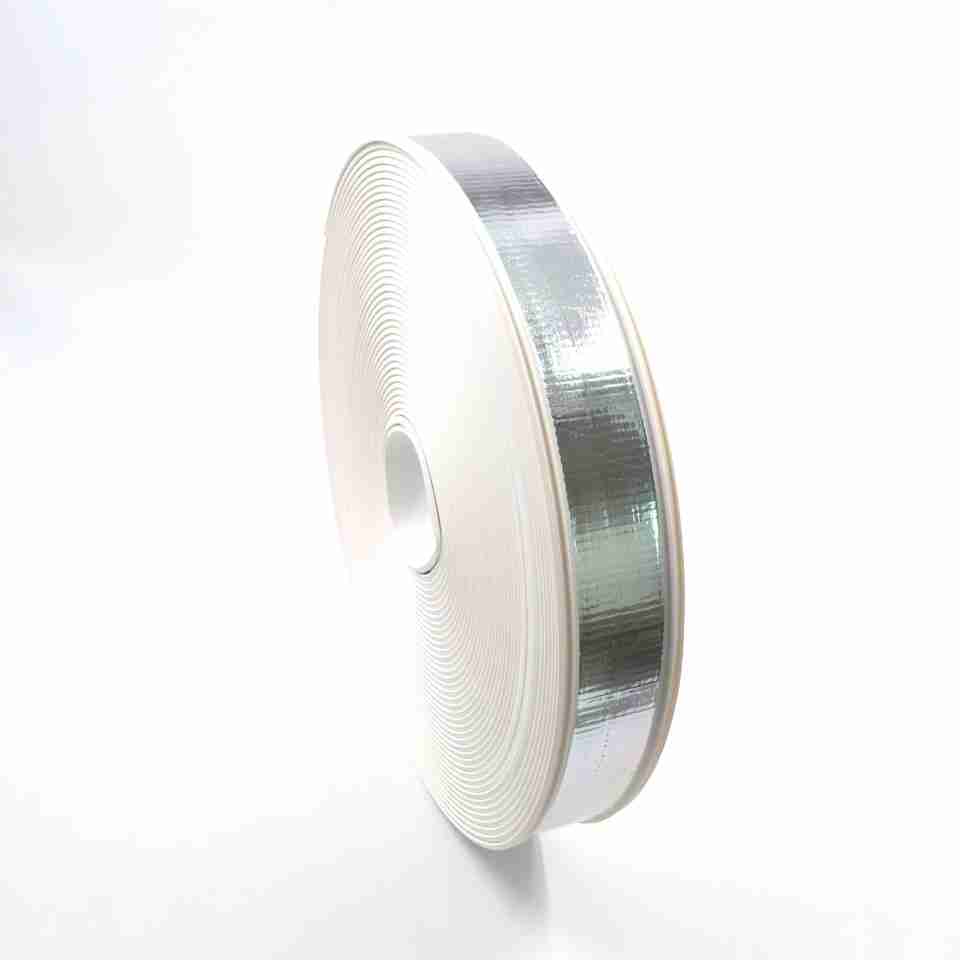
Steel Core Edging vs Edge Banding for Channel Letters
A practical comparison of steel core edging and other sign edge banding, focused on actual construction and fabrication compatibility.

The useful answer to steel core edging vs edge banding is to compare actual profiles rather than names. Steel core edging describes a reinforced construction; edge banding is a broader term that may include steel-reinforced products and other materials. For channel letters, choose an edging system that fits the face thickness, bends around the letter geometry, works with your fabrication process, and has a documented finish suitable for the intended environment.
Clarify What the Supplier Is Offering
Ask for a cross-section drawing or clear profile photograph. Confirm the core material, outer covering or coating, profile dimensions, intended assembly method, and available color reference. A product called edge banding for furniture is not automatically suitable for a channel letter face.
Also clarify the part’s function. An edge profile may retain or finish the acrylic face, while return material forms the letter sidewall. These functions can be combined in some systems, but should not be assumed from a product name.
Compare the Properties That Affect Production
| Decision | Steel core edging | Other edge banding systems |
|---|---|---|
| Construction | Confirm steel core and its covering or coating | Confirm actual material; the name alone is insufficient |
| Face fit | Check profile against the chosen acrylic thickness | Check the same fit and retention requirements |
| Bending | Test tight curves, corners, and springback | Test flexibility and corner behavior for that profile |
| Tools | Confirm cutting and forming requirements | Confirm manual or machine compatibility |
| Outdoor use | Check corrosion protection, especially exposed cuts | Check documented weather and UV suitability |
| Bonding | Confirm compatibility with coating and face material | Confirm compatibility with the actual polymer or metal |
This steel core edging vs edge banding comparison cannot establish that one construction is always stronger, easier to install, or more weather resistant. Those outcomes depend on dimensions, construction, finish, joints, and the complete assembly.
When documenting steel core edging vs edge banding, record the exact profile code and approved sample rather than relying on a shortened product name.
Test the Most Difficult Letter Shape
A straight sample does not represent a complete sign. Try the tightest internal curve, the smallest stroke, and a sharp corner from your design. Check whether the profile distorts, the finish cracks, or the face becomes difficult to seat.
Use your intended tools and document the forming sequence. If a machine is involved, ask its manufacturer whether the material and profile are compatible. Do not assume a coil or strip will work simply because its width fits the feed mechanism.
For a meaningful steel core edging vs edge banding trial, use the same letter geometry, tools, operator sequence, and acceptance checks for both samples.
For a repeat project, retain a formed sample alongside the original strip. The formed sample is often more useful than a catalog photograph when comparing a later batch.
Check Face Fit and Bonding Compatibility
Confirm the face thickness, insertion depth, retention method, and adhesive requirements as a system. Trial-fit an actual face sample before making the full letter set. A poor fit can create gaps, difficult assembly, or stress on the acrylic.
If the design uses adhesive, follow the adhesive manufacturer’s substrate preparation and curing instructions. Some coatings and plastics can reduce adhesion or react with solvents. A successful trial should use the same finish, face material, and preparation planned for production.
Include bonding compatibility in the steel core edging vs edge banding decision whenever either profile forms part of the bonded face assembly.
Account for Outdoor Exposure and Replacement
For exterior work, ask how cut edges and joints should be treated. Request relevant material and finish documentation rather than relying on a generic outdoor label. Consider drainage, temperature changes, and access for future maintenance in the complete letter design.
For purchasing, record profile, core material, covering, color, roll length, packing, and approved sample reference. This turns steel core edging vs edge banding from a vague price comparison into a repeatable sourcing decision.
Keep the completed steel core edging vs edge banding comparison with the purchase order so repeat batches can be checked against the same requirements.
Frequently Asked Questions
Is steel core edging a type of edge banding?
It can be. Supplier terminology varies, so ask for the actual material construction and profile before treating the names as separate product categories.
Is steel core edging always better for outdoor signs?
No. Suitability depends on corrosion protection, finish, exposed edges, joints, and assembly design. Confirm the product’s documented intended use.
Can the same edging fit every acrylic thickness?
Do not assume so. Check the profile’s intended face thickness and verify the fit with a sample of the actual sheet.
What information is needed to select a profile?
Provide face thickness, letter dimensions, tightest curve, intended tools, indoor or outdoor use, color reference, and order quantity.
Ask for Specification Advice
Start with Channel Letter Material and the Channel Letter Materials Buying Guide. Use Request Bulk Quote to send a profile photo, drawing, face thickness, and quantity. Use Ask Shipping Cost with your destination and requested packing details.